Homeowner’s Field Guide to Smarter Heating and Cooling Decisions
Assess your home’s comfort needs before looking at equipment, because sizing, layout, and building envelope all shape performance. Begin with room-by-room heat gain and loss considerations: sun exposure, insulation levels, window quality, and air leakage. Document hot and cold spots and notice noise levels around existing vents. This groundwork informs choices among central systems, ductless options, or hybrids, and it sharpens conversations with any HVAC professional you consult.
Meanwhile, think through lifecycle planning rather than a quick replacement. The best choice aligns expected service life, repair history, and utility trends. If your furnace or air conditioner is near the end of its typical lifespan, budgeting for replacement can reduce surprise breakdowns. Map decision points: repair today, replace next season, or phase upgrades over several years, especially when ductwork or electrical improvements are on the table.
Beyond that, compare installation pathways for common services without locking into a single technology too early. AC Installation and Repair may resolve summer discomfort, yet pairing air conditioning with envelope improvements could let you select a smaller unit. Heating Installation and Repair might restore winter reliability, while a longer plan could transition to a heat pump to cover shoulder seasons efficiently. Keep options open until a home assessment is complete.
Often, ductwork dictates outcomes more than equipment specs. Inspect and validate ducts for leakage, sizing, and layout before committing to capacity. Undersized return air or kinked flex runs create pressure issues, uneven rooms, and elevated noise. Sealing, balancing, and adding returns can unlock comfort gains. Ductless AC Installation circumvents problem ductwork in additions or finished basements, delivering zoned control where extending ducts is disruptive or impractical.
Then, weigh fuel sources and distribution methods against local climate patterns and your household habits. Furnace Installation offers quick recovery on bitter days, while Heat Pump Installation provides efficient year-round operation when paired with suitable controls. Boiler Installation supports radiant comfort that feels even and quiet, yet may require attention to piping and circulators. Match the system to how you actually occupy spaces morning, evening, and weekends.
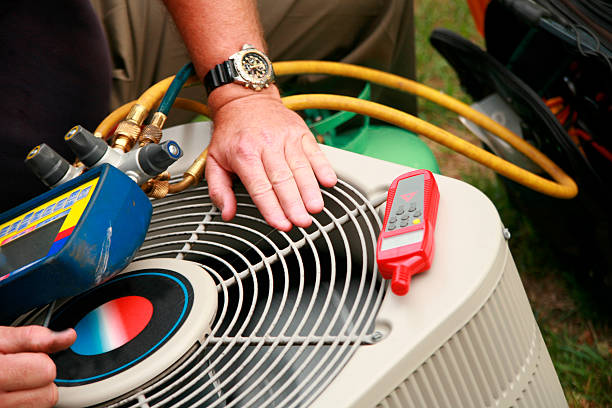
However, controls and commissioning make or break results. Ask how thermostats, sensors, and airflow are set, and verify static pressure readings and temperature splits after startup. Calibrate fan speeds and staging so systems don’t short cycle. If you add Humidifier Installation, validate target ranges based on outdoor temperatures to avoid window condensation. Thoughtful setup protects equipment, improves comfort, and supports energy goals throughout the seasons.
In practice, maintenance planning underpins reliability. Build a routine that includes filter rotation, drain cleaning, outdoor coil rinsing, and periodic safety checks. Document service dates, model numbers, and warranty terms to streamline future visits. A modest, recurring plan helps catch minor issues before they escalate, and it preserves efficiency curves that slowly drift without attention. Small habits extend useful life and reduce downtime during extreme weather.
Refine your budget by scoping total project costs rather than headline equipment figures. Include electrical upgrades, condensate routing, pad or bracket work, and potential refrigerant line replacements. Buffer for accessories like surge protection, smart thermostats, and fresh-air solutions if indoor air quality is a priority. Transparent estimates that separate labor, materials, and permits help you compare bids apples-to-apples and avoid surprise adders midstream.
Finally, align installation timing with weather and household schedules. Off-peak seasons can reduce delays and simplify inspections. Phase major work to maintain one conditioned area if possible, and plan for temporary heating or cooling during switchover. After completion, request a simple handoff packet that outlines filter sizes, breaker locations, and recommended service intervals. A clear closeout makes future troubleshooting faster and less stressful.
Validate your decisions by revisiting comfort goals a month after startup. Listen for new noises, recheck airflow, and confirm thermostat programs match routines. If rooms drift from targets, a quick balance or control tweak can resolve it. With methodical planning across HVAC, equipment selection, and commissioning, you create a resilient system that supports everyday comfort while adapting to changing needs over time.